What Actually Defines Luxury in Private Aviation
A client recently asked which private jet was "the best" for their regular transatlantic travel. The question seems straightforward until you start examining what "best" actually means.
The most expensive aircraft? The longest range? The newest technology? The most prestigious brand? These factors all matter, but the genuinely best aircraft depends entirely on how you'll actually use it.
Luxury in private aviation isn't about single superlative features. It's about the combination of range for your typical routes, cabin size for your passenger requirements, technology that supports your working style, and reliability that ensures you reach destinations on schedule. Understanding which aircraft excel in which dimensions helps identify what actually serves your needs versus what simply sounds impressive.
Here are the ten private jets that define luxury aviation in 2026, based on what clients actually request, what capabilities they deliver, and how they compare across the factors that matter most for genuine luxury travel.
The Top 10 Luxury Private Jets: What Makes Each Special
These rankings reflect actual client preferences, operational excellence, and genuine capability rather than simply listing the most expensive or newest aircraft chronologically.
1. Gulfstream G700: The Industry Benchmark
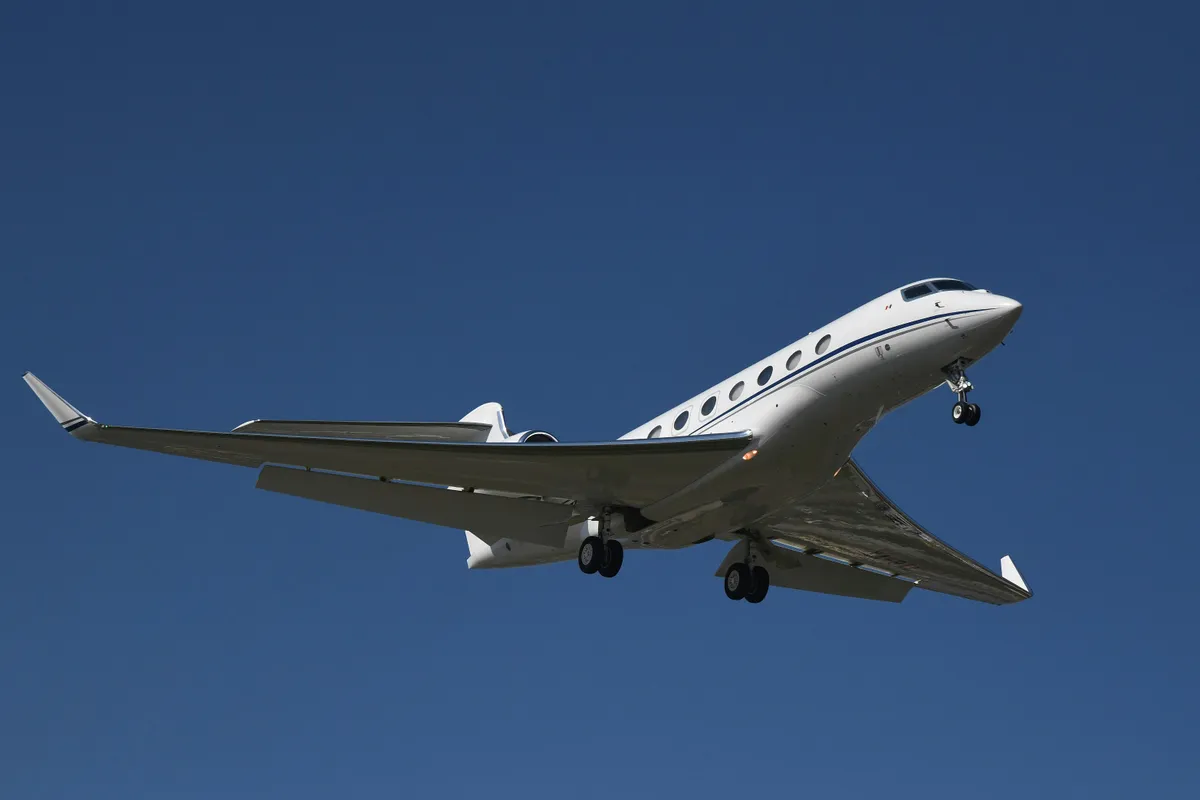
The Gulfstream G700 represents private aviation's current peak, combining industry-leading range with the most spacious cabin in its class. This aircraft flies 7,500 nautical miles nonstop, connecting city pairs like London to Los Angeles or New York to Hong Kong without refuelling.
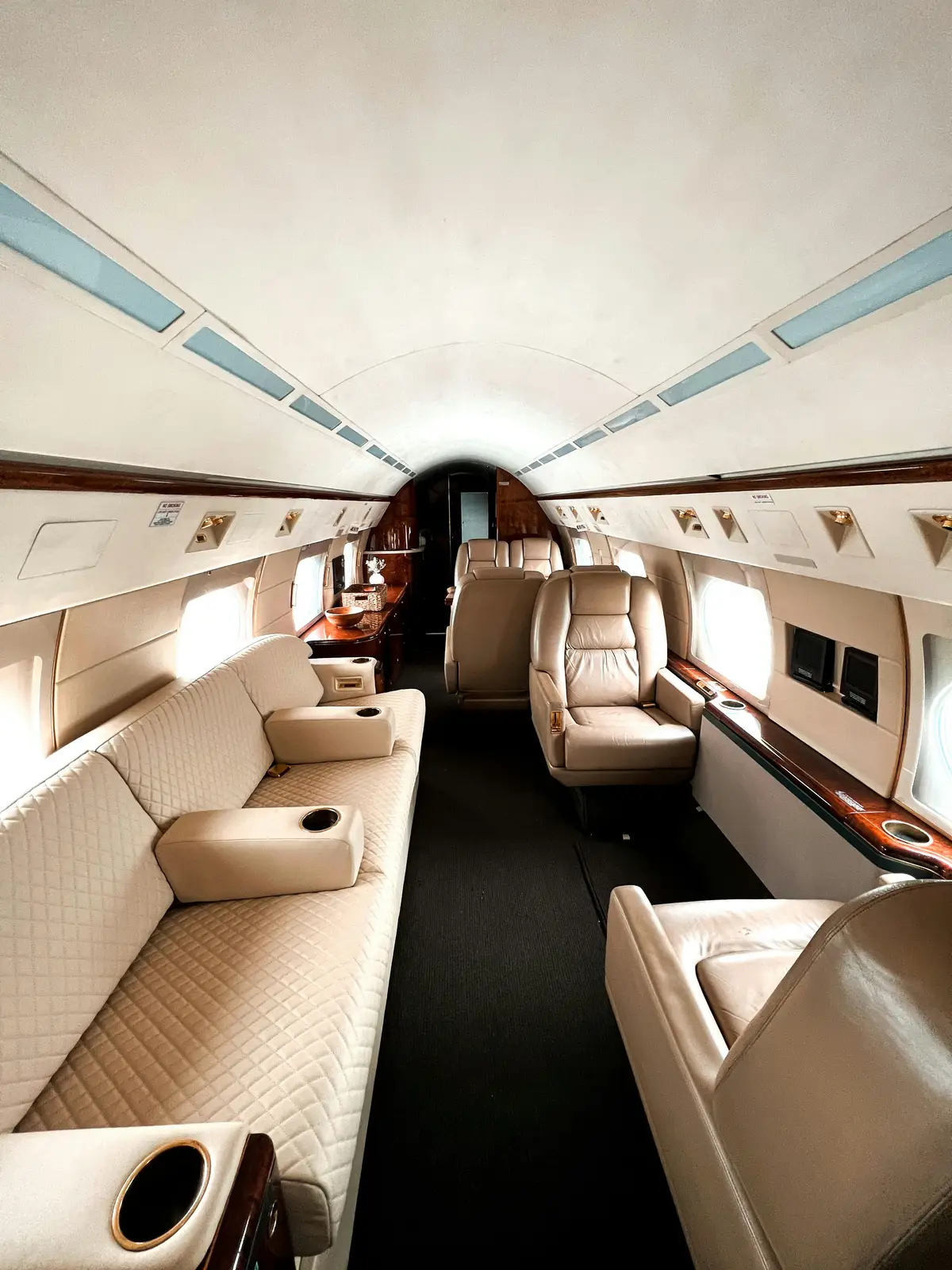
The cabin measures 56 feet in length, accommodating up to 19 passengers though most configurations seat 10 to 13 for maximum comfort. The oval windows are the industry's largest, creating exceptional natural light throughout the cabin. Gulfstream's cabin altitude technology maintains 4,850 feet pressure equivalent even whilst cruising at 41,000 feet, reducing fatigue on long flights substantially.
What clients actually appreciate: The G700's reliability matches its performance. Gulfstream's support network ensures consistent operations across the globe, which matters more than impressive specifications when you're depending on the aircraft for critical business travel.
The technology includes touchscreen cabin controls, high-speed connectivity supporting multiple simultaneous video calls, and sound suppression creating genuinely quiet cabin environments for work or rest.
"I've flown various ultra long range aircraft. The G700 simply performs better across every dimension that matters for transoceanic business travel. It's not just marketing; it's genuinely superior capability." — European technology executive, regular transatlantic traveller
2. Bombardier Global 7500: Maximum Space, Exceptional Range
Bombardier's Global 7500 challenges Gulfstream's dominance with the industry's longest range at 7,700 nautical miles and a cabin that many consider aviation's finest. The four-zone cabin layout creates genuine room separation, allowing passengers to work privately whilst others rest or socialise.
The master suite at the cabin's rear includes a permanent bed, something most competitors cannot offer due to space constraints. For overnight flights, this capability transforms comfort dramatically. The dedicated crew rest area ensures cabin crew arrive fresh rather than fatigued.
What distinguishes the Global 7500: The Nuage seating represents the industry's most advanced seat design, with deep recline, tilting headrests, and ergonomics that genuinely improve comfort during extended flights. Clients who spend substantial time aloft notice seating quality more than any other cabin feature.
The aircraft's speed, Mach 0.925, exceeds most competitors, allowing faster journey times on identical routes. When you're crossing continents or oceans, 30 minutes saved matters more than most people anticipate.
3. Gulfstream G650ER: Proven Excellence
The G650ER, whilst not Gulfstream's newest offering, remains extraordinarily popular because it represents proven reliability combined with excellent performance. Seven thousand nautical miles range handles most intercontinental routes comfortably, whilst the cabin's 46.9-foot length provides spacious accommodation without the G700's size.
What clients value: This aircraft has operated for years, meaning maintenance expertise exists globally, parts availability is excellent, and potential reliability issues have been identified and addressed. Newer aircraft promise capabilities but proven aircraft deliver them consistently.
The cabin altitude of 3,290 feet at 51,000-foot cruise remains industry-leading, creating comfort advantages on long flights that passengers genuinely feel rather than just read about in specifications.
4. Dassault Falcon 10X: European Excellence
Dassault's upcoming Falcon 10X brings French engineering excellence to the ultra long range category. The 7,500 nautical mile range matches competitors whilst the cabin height of 6 feet 8 inches exceeds industry standards, creating exceptional headroom throughout the aircraft.
The expected entry into service during 2026 means operational experience remains limited, but Dassault's reputation for building exceptionally capable, reliable aircraft creates substantial client interest despite the aircraft's newness.
What distinguishes Dassault: The company's military aviation heritage creates aircraft that handle challenging conditions and remote airports better than competitors focused primarily on comfortable cruise flight. Clients operating in regions with limited infrastructure appreciate this capability.
5. Bombardier Global 6500: Mid-Range Excellence
Not every mission requires maximum range. The Global 6500's 7,700 nautical mile range handles most intercontinental travel whilst offering Bombardier's exceptional cabin quality at more accessible operating economics than larger siblings.
The Nuage seating, borrowed from the Global 7500, creates comfort that exceeds competing aircraft costing substantially more. The cabin width of 8 feet matches larger aircraft, providing spacious accommodation that belies the aircraft's mid-range positioning.
What clients appreciate: This aircraft accomplishes most missions clients actually fly rather than theoretical maximum capabilities they rarely need. The operational efficiency creates genuine value for clients whose missions suit the capability envelope.
6. Gulfstream G600: Balanced Excellence
The G600 represents Gulfstream's balanced offering, combining 6,500 nautical mile range with cabin dimensions approaching the G650ER whilst delivering excellent operational economics. For clients whose missions fit within the G600's capabilities, the aircraft delivers exceptional value.
The cabin measures 45.2 feet, just slightly shorter than the G650ER, whilst maintaining the same 8.17-foot width and 6.42-foot height. Most passengers cannot perceive the dimensional differences between the G600 and more expensive siblings during actual flights.
What makes this appealing: Many clients discover their actual missions rarely require maximum range. Transatlantic flights, European sectors, and regional business travel all sit comfortably within the G600's capabilities whilst the aircraft's operational efficiency creates meaningful cost advantages.
7. Embraer Praetor 600: Brazilian Innovation
Embraer's Praetor 600 brings impressive capability to the super midsize category. The 4,018 nautical mile range handles transcontinental North American flights, transatlantic crossings from favourable departure points, and extensive European routing without refuelling constraints.
The cabin technology includes Embraer's Alto system providing comprehensive entertainment and connectivity. The baggage capacity of 155 cubic feet exceeds competing aircraft substantially, creating practical advantages for clients whose travel involves extensive luggage or equipment.
What clients notice: Embraer's operational support network, whilst smaller than Gulfstream's or Bombardier's, provides excellent service in the Americas and increasingly capable European coverage. The aircraft performs reliably whilst operating economics remain favourable.
8. Dassault Falcon 8X: Triple-Engine Distinction
The Falcon 8X's three-engine configuration creates operational capabilities competitors cannot match. The aircraft accesses airports with challenging conditions, operates reliably in high-altitude environments, and provides redundancy that creates confidence for flights over remote regions or extended overwater sectors.
The 6,450 nautical mile range handles most intercontinental routes, whilst the cabin's 42.6-foot length provides comfortable accommodation for up to 16 passengers in high-density configurations or 8 to 10 in typical luxury layouts.
What distinguishes this aircraft: The short-field capability allows operations at airports competitors cannot access, creating routing flexibility that matters for clients whose destinations include challenging locations alongside major business centres.
9. Cessna Citation Longitude: Midsize Value
Not every luxury aircraft requires ultra long range or maximum cabin dimensions. The Citation Longitude delivers genuine luxury within the super midsize category, combining 3,500 nautical mile range with Cessna's reputation for reliability and support.
The cabin measures 25 feet, creating comfortable accommodation for up to 12 passengers whilst maintaining dimensions that make the aircraft practical for typical business travel missions within continents rather than between them.
What clients value: Cessna's support network is aviation's most extensive, meaning maintenance and service availability exists virtually anywhere the aircraft might operate. This reliability matters enormously for clients whose business depends on consistent aircraft availability.
10. Pilatus PC-24: The Super Versatile Jet
The Pilatus PC-24 occupies a unique position as luxury aviation's most versatile aircraft. Whilst lacking the range and cabin dimensions of aircraft earlier on this list, the PC-24's unpaved runway capability and short-field performance create access to destinations competitors simply cannot reach.
The 2,000 nautical mile range handles substantial regional missions, whilst the cabin's flat floor and large cargo door allow configurations from luxury seating to cargo transport to medical evacuation depending on mission requirements.
What makes this interesting: Clients whose operations combine luxury travel with access to remote locations, whether African safari operations, South American exploration, or adventure tourism, find no competing aircraft offers the PC-24's combination of capability and access.
What Actually Matters: The Factors Beyond Specifications
Aircraft specifications tell part of the story. Understanding which factors actually affect your experience during flights helps evaluate what matters versus what sounds impressive but proves irrelevant for your specific usage.
Range: When It Actually Matters
Ultra long range capability matters substantially for specific missions, particularly transoceanic and transcontinental flights. However, most private aviation missions cover substantially shorter distances than maximum range specifications suggest.
If your typical flights involve European business travel, Mediterranean holidays, or North American regional movements, aircraft with 3,500 to 4,500 nautical mile ranges handle virtually every mission comfortably. Paying premiums for 7,500 mile capability you never actually use provides psychological satisfaction rather than practical benefit.
Honest assessment of your actual missions helps identify appropriate aircraft rather than defaulting to maximum specifications you'll rarely utilise.
Cabin Size: The Comfort Reality
Larger cabins provide obvious comfort advantages, particularly on longer flights where passengers spend multiple hours aloft. However, the relationship between cabin size and actual comfort proves less linear than specifications suggest.
A well-designed midsize cabin with excellent seating, proper lighting, and thoughtful layout often provides better comfort than a large cabin with poor configuration. The details matter more than the dimensions for genuine passenger experience.
Stand up height matters for most passengers, creating preference for aircraft with 6 foot cabin heights over compact jets requiring crouching. Cabin width affects whether passengers can move past each other comfortably. Length determines whether distinct seating zones can be created for passengers wanting different activities during flight.
Technology: What You'll Actually Use
Modern private jets include impressive technology, from touchscreen cabin controls to high speed satellite connectivity to sophisticated entertainment systems. However, the technology that matters most proves remarkably basic: reliable internet that supports video calls and document work.
Fancy entertainment systems remain largely unused by business travellers who spend flight time working rather than watching films. Elaborate cabin lighting controls impress during initial demonstrations but most passengers simply want comfortable reading light and the ability to darken cabins for rest.
Focus on whether connectivity supports your actual work requirements rather than being distracted by technology features you'll never use.
Reliability: The Forgotten Specification
Aircraft reliability receives less attention than performance specifications but matters enormously for anyone depending on private aviation for business commitments. An aircraft that consistently operates on schedule is more valuable than one with impressive specifications that frequently requires maintenance.
Gulfstream and Bombardier maintain reputations for building reliable aircraft supported by extensive global service networks. Newer manufacturers promise capabilities but lack the operational track records proving consistent reliability.
When evaluating aircraft, research operational reliability and support network quality alongside performance specifications. The most luxurious aircraft is useless when it's grounded for maintenance whilst you're missing critical meetings.
How These Aircraft Compare on Routes You Actually Fly
Theoretical specifications matter less than practical capability on routes you'll genuinely use. Here's how these luxury aircraft perform on common private aviation missions.
Transatlantic: New York to London
This 3,450 nautical mile route sits comfortably within every ultra long range aircraft's capability. The G700, Global 7500, G650ER, and Falcon 10X all accomplish this journey with substantial fuel reserves, allowing routing flexibility around weather or air traffic.
The seven to eight hour flight time means cabin comfort becomes significant. The G700's and Global 7500's spacious cabins with lie flat sleeping capability transform overnight transatlantic flights from endurance tests to genuinely restful journeys.
Midsize jets lack the range for reliable nonstop New York to London operation, requiring refuelling stops that add hours to the journey. For this specific mission, ultra long range capability justifies the investment.
European Business: London to Geneva
This short 400 nautical mile sector demonstrates how aircraft capability often exceeds mission requirements. Every aircraft on this list handles London to Geneva comfortably, with the 90 minute flight time meaning cabin comfort advantages of larger aircraft barely register.
For this mission, operational factors like aircraft availability, departure timing flexibility, and FBO access matter more than cabin size or maximum range. A Citation Longitude accomplishes the mission as effectively as a G700 whilst operating more economically.
Transcontinental US: Los Angeles to New York
This 2,450 nautical mile route sits within most private jets' capabilities, though aircraft on the smaller end of the spectrum require attention to passenger loads and weather reserves. The five to six hour flight time means cabin comfort becomes noticeable without demanding ultra long range aircraft dimensions.
Midsize jets like the Citation Longitude or Praetor 600 handle this mission well, offering comfort adequate for the journey duration whilst avoiding the operational costs of deploying ultra long range aircraft unnecessarily.
Asia-Pacific: Singapore to Sydney
This 3,900 nautical mile route challenges midsize jets whilst sitting comfortably within ultra long range capabilities. The six to seven hour flight duration makes cabin quality significant, favouring aircraft with proper sleeping accommodations and spacious cabins.
The G700, Global 7500, and G650ER all handle this mission reliably. Smaller aircraft require payload compromises or fuel stops that undermine the mission's efficiency.
What Clients Actually Choose: The Request Patterns
Understanding which aircraft clients actually request reveals patterns that specifications alone don't capture.
Gulfstream Dominance in Ultra Long Range
Clients booking transoceanic or transcontinental missions overwhelmingly request Gulfstream aircraft when available. The combination of proven reliability, excellent support network, and genuine operational excellence creates preference that pricing alone doesn't deter.
This doesn't mean Gulfstream builds perfect aircraft, but rather that their aircraft deliver consistent performance that business travellers value more than specification advantages competitors might claim.
Bombardier's Growing Presence
The Global 7500's impressive capabilities increasingly challenge Gulfstream's dominance, particularly among clients whose missions involve substantial ground time between flights where the master suite's permanent bed provides genuine value.
European clients particularly favour Bombardier aircraft, perhaps reflecting Canadian engineering's approach aligning well with European operational preferences and values.
Midsize Jets for Regional Missions
Clients whose missions primarily involve continental rather than intercontinental travel increasingly request appropriate midsize jets rather than defaulting to ultra long range aircraft unnecessarily. This practical approach optimises operational economics without compromising mission capability.
Emerging Interest in Versatile Aircraft
The PC-24's unique capabilities create interest among clients whose operations combine luxury business travel with access to challenging locations. Safari operators, adventure tourism companies, and clients with remote property holdings find the PC-24's versatility unmatched.
The Questions Clients Ask About Luxury Aircraft
Which aircraft is genuinely "the best"?
No single aircraft optimises for every mission and preference. The best aircraft for transatlantic business travel differs from the best for European regional missions. Honest assessment of your actual usage patterns identifies appropriate aircraft better than chasing superlatives.
Do newer aircraft justify their premium?
Sometimes. Newer aircraft offer better fuel efficiency, improved technology, and modern cabin designs. However, proven aircraft like the G650ER deliver reliable operations whilst newer models accumulate operational experience. The premium for latest models makes sense for clients whose missions demand cutting edge capability but might not justify itself for more straightforward requirements.
How much does aircraft choice actually affect the experience?
On short flights under two hours, aircraft differences prove largely imperceptible to passengers. Longer flights reveal cabin comfort, technology reliability, and fatigue management differences more clearly. For missions exceeding four hours, aircraft capability genuinely affects passenger experience.
Should I prioritise range I might need occasionally?
This depends on mission flexibility. If your business occasionally demands intercontinental travel, having aircraft capable of these missions without refuelling stops provides operational flexibility worth the investment. If long missions are genuinely rare, coordinating appropriate aircraft for specific trips makes more sense than optimising for uncommon requirements.
Do celebrity endorsements or visible ownership influence quality?
Not meaningfully. High profile individuals fly various aircraft types, with choices reflecting their specific advisors' recommendations and operational requirements rather than objective capability assessment. Focus on specifications and operational reputation rather than celebrity associations.
Making Informed Aircraft Decisions
The luxury private jets that dominate this list represent genuine excellence across performance, comfort, and reliability. However, the truly best aircraft for your requirements depends entirely on how you'll actually use it.
We coordinate flights across all these aircraft types, advising on appropriate selection based on specific missions rather than defaulting to newest or most expensive options automatically. Whether your missions demand maximum range, prioritise cabin comfort, or require versatile capability, matching appropriate aircraft to actual requirements creates better outcomes than chasing superlatives.
Understanding what genuinely matters for your travel patterns, being honest about which specifications affect your actual experience versus which simply sound impressive, and coordinating with operators who maintain aircraft properly all matter more than choosing the single "best" aircraft from this list.
Book your private flight now and discover which luxury aircraft truly serves your specific requirements.
For honest aircraft selection advice based on your actual missions and preferences, contact us at [email protected] or [email protected]. We're available round the clock to discuss aircraft capabilities without marketing exaggeration or specification gaming.
Image Attribution:
Photo by Planespotter Geneva via Pexels, used under Pexels License.