Introduction
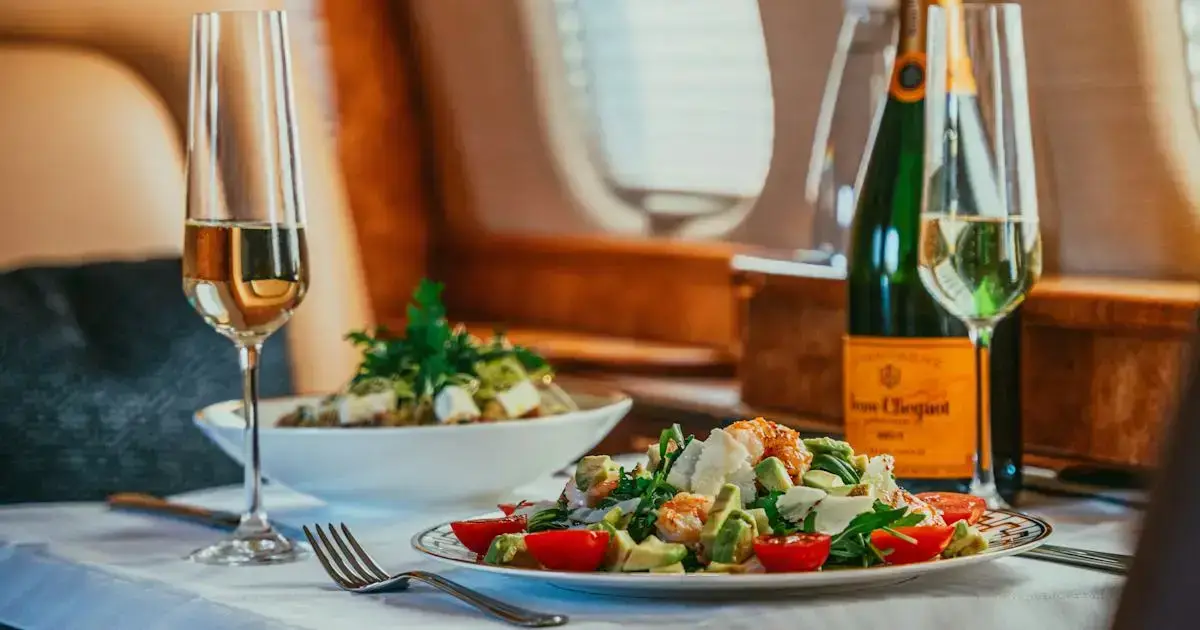
You can often bring your own food on a private jet, which is useful for a favourite restaurant order, cultural preference or carefully planned family meal. Approval is not automatic. The operator must consider food safety, storage, strong odours, heating equipment, cabin cleanliness and destination import rules. The easiest approach is to describe the items in advance and let the crew confirm what the aircraft can store, prepare and serve.
This guide explains the practical answer, the checks behind it and the information Private Flights needs to arrange a suitable charter.
The Direct Answer and Key Evidence
Cold, securely packed food is usually simpler than dishes needing ovens, open flames or complex plating. Aircraft galleys vary greatly: some have only chilled storage, while large-cabin jets may have ovens and extensive service equipment. Crew cannot promise restaurant-style preparation without the right facilities and time. International flights also create customs and agricultural restrictions even when food is for personal consumption.
The United Kingdom and European Union publish specific restrictions on personal imports of meat, dairy, plants and other products. Rules depend on where the traveller is arriving from and can change in response to animal or plant health risks. A sandwich that is lawful to board at departure may still be prohibited on arrival, so unused items may need to remain onboard or be disposed of under official instructions.
The correct answer is always tied to the specific operator, aircraft, route and date. A general possibility is not the same as an approved live charter.
What Determines Bring your own food on a private jet?
- Packaging: Leakproof containers, clear labelling and manageable portions protect the cabin and simplify service.
- Temperature control: Perishable food needs safe chilled storage from collection through consumption.
- Galley capability: Ask whether the aircraft has refrigeration, an oven, microwave, coffee equipment or only basic service space.
- Allergies: Disclose serious allergies and cross-contamination concerns, while recognising that an aircraft galley is not a certified allergen-free facility.
- Border rules: Animal products, fruit, seeds and plants can be restricted or require declaration at the destination.
These factors interact. packaging can look acceptable until temperature control changes, while galley capability can make a different aircraft or airport more sensible. The quotation should therefore describe one complete operating plan instead of offering isolated cabin features. If a requirement is essential, it belongs in the first brief and the signed confirmation. Preferences that are genuinely optional should be labelled as such so the team can preserve alternatives.
A model name alone cannot settle the question. Tail numbers differ in seating, equipment, owner policy and current technical status. Route conditions also change from day to day. Private Flights checks the available aircraft with the operator and makes clear which details are confirmed, which remain requests and which depend on the captain or an authority.
Rules, Booking and Practical Preparation
Do not hand the crew an unlabelled dish at the aircraft steps and expect it to be heated. Provide ingredients, collection timing and serving instructions in advance. High-risk, messy or strongly scented items may be refused. Ice, dry ice and certain heating materials can have dangerous-goods implications. The operator's decision protects passengers, crew and the aircraft interior.
Private Flights can arrange professional flight catering or coordinate passenger-supplied food with the operator. Send dietary needs, preferred restaurants, quantities, celebration details and allergies when booking. For a short morning sector, a simple fresh breakfast may travel better than an elaborate hot menu. For a long flight, plan service times around sleep, work and the destination time zone.
A useful charter brief should include:
- Exact departure and final ground destination.
- Earliest departure and latest acceptable arrival.
- Legal passenger names and document status.
- Number, dimensions and type of bags or specialist items.
- Cabin, catering, connectivity and accessibility requirements.
- Return sectors, waiting time and acceptable alternate airports.
- The person authorised to approve a change.
Ask for important conditions in writing. Review cancellation and substitution terms before accepting. Keep traveller contacts available on the day, because a weather, slot or airport change can require a prompt decision. Related reading: private jet catering.
A Real-World Scenario and Commercial Comparison
A family flying from London to Nice wants food from a favourite bakery and a child's familiar meal. The items are delivered chilled to the private terminal, labelled and placed in approved containers. The operator confirms that one dish can be warmed and another should be served cold. The family keeps the comfort of familiar food without asking the crew to improvise in a compact galley.
Airline catering is selected from a limited menu and loaded for a large cabin. Charter catering can be tailored to one group, and passenger-supplied food may be accepted when planned correctly. The trade-off is that each aircraft has distinct storage and equipment. Personalisation works best when expectations match the actual galley.
The comparison should be fair. Scheduled travel can be entirely suitable for a flexible individual on a well-served route. Charter becomes more compelling when time, privacy, group coordination, specialist baggage or regional access changes the door-to-door calculation. Private Flights arranges private jet charters; it does not operate aircraft and does not promise that every request can be accepted.
Final planning review
Before confirming bring your own food on a private jet, compare the proposed aircraft with the full door-to-door schedule. Check the specific cabin, baggage fit, departure slot, destination handling, crew plan and likely weather constraints. Confirm which requests are contractual and which remain subject to operational approval. A second suitable airport can protect the itinerary when the closest field has a curfew, short runway or limited customs hours. The traveller should also know who will communicate a change and by what deadline a decision is needed. Record the final passenger list and service brief in one place, then verify any late amendment with Private Flights before leaving for the terminal. This disciplined review preserves the flexibility that makes charter valuable while respecting the operator's responsibility for safety and compliance.
Frequently Asked Questions
Can I order from any restaurant for a private jet?
Often, if timing, packaging, security and food-safety requirements can be met. Coordinate delivery through the operator or broker.
Can cabin crew heat my food?
Only if the aircraft has suitable equipment and the operator approves the dish and method.
Can I take leftovers off the aircraft internationally?
Not necessarily. Customs and agricultural rules may prohibit particular foods or require a declaration.
Can the flight be made allergen-free?
The team can take precautions, but shared catering kitchens and aircraft galleys may not guarantee an allergen-free environment.
Conclusion and Sources
The central lesson is to replace assumptions with aircraft-specific confirmation. Private Flights can compare suitable charter options, coordinate the operator and explain the practical choices for bring your own food on a private jet. To discuss a live itinerary, book your private flight now.
All charter arrangements are subject to aircraft and crew availability, operator approval, airport permissions, weather and operational constraints. Passengers remain responsible for passports, visas, declarations and other required documentation. Aircraft specifications and performance are confirmed by the operator for the live mission.
Sources consulted:
- UK government guidance on bringing food into Great Britain
- European Commission rules for personal imports of animal products
Image Attribution:
Photo by Andy Wang via Unsplash, used under the Unsplash Licence.