Introduction
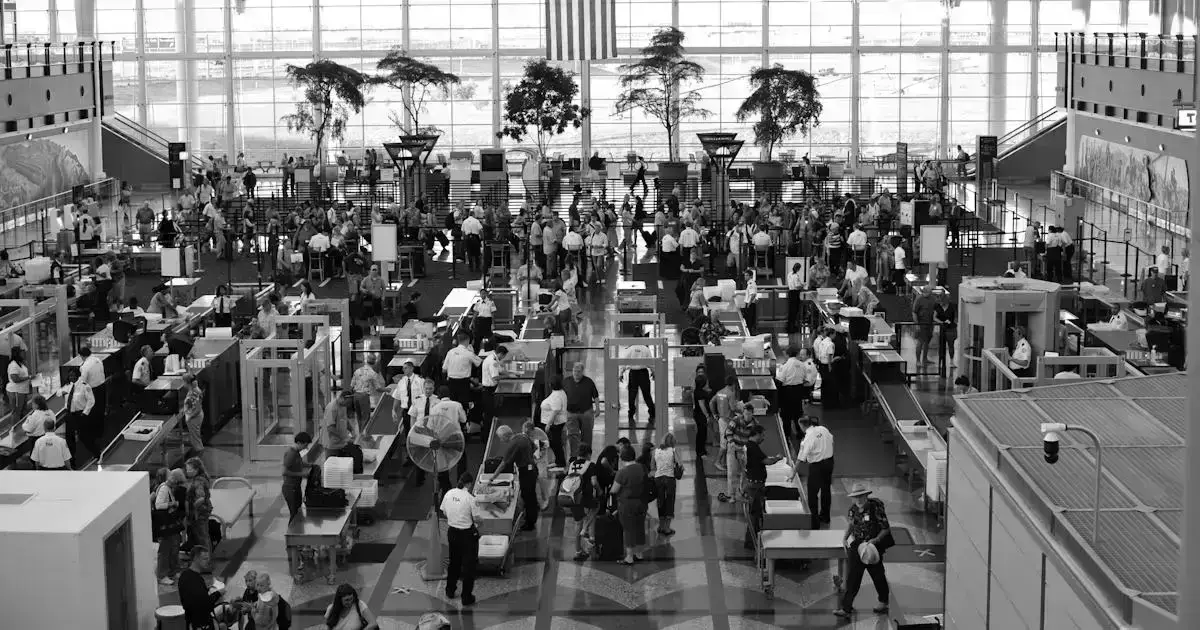
Private jet airport security is usually faster and more discreet than the large checkpoint used by scheduled airlines, but it is not absent. Passengers are identified, matched to a manifest and handled under the operator's security procedures. Baggage and travellers may be screened or inspected depending on the country, airport, aircraft and flight. A private terminal changes the process and environment; it does not remove the duty to protect the aircraft and borders.
This guide explains the practical answer, the checks behind it and the information Private Flights needs to arrange a suitable charter.
The Direct Answer and Key Evidence
Most charter passengers arrive at a fixed-base operator or dedicated private terminal. Staff verify identity, coordinate access to the ramp and pass the group to the crew. Some locations use scanners or physical searches; others rely on controlled access, documentation, vetting and operator procedures. International journeys add customs and immigration. The precise steps should be confirmed for each airport rather than assumed from a previous flight.
The TSA treats general aviation as a distinct security environment and publishes measures for operators and airports. Depending on aircraft size and operation, specific US security programmes may apply. Elsewhere, national authorities impose their own requirements. Operators can also adopt stricter procedures, and airport security staff may inspect any item that raises concern.
The correct answer is always tied to the specific operator, aircraft, route and date. A general possibility is not the same as an approved live charter.
What Determines Private jet airport security?
- Identity verification: Government identification or a passport is checked against the final passenger manifest before access.
- Controlled ramp access: Passengers are escorted or directed through a secure route rather than wandering onto the airfield.
- Baggage review: Items can be screened, searched or refused, and dangerous goods restrictions still apply.
- Passenger vetting: Operators may submit traveller details to required security or border systems before departure.
- Airport-specific measures: A major capital airport may use more visible screening than a small regional private terminal.
These factors interact. identity verification can look acceptable until controlled ramp access changes, while baggage review can make a different aircraft or airport more sensible. The quotation should therefore describe one complete operating plan instead of offering isolated cabin features. If a requirement is essential, it belongs in the first brief and the signed confirmation. Preferences that are genuinely optional should be labelled as such so the team can preserve alternatives.
A model name alone cannot settle the question. Tail numbers differ in seating, equipment, owner policy and current technical status. Route conditions also change from day to day. Private Flights checks the available aircraft with the operator and makes clear which details are confirmed, which remain requests and which depend on the captain or an authority.
Rules, Booking and Practical Preparation
Do not bring prohibited weapons, undeclared dangerous goods or unidentified packages. Lithium batteries, medical devices, sporting equipment and specialist tools should be disclosed before the flight so the operator can check carriage rules. Passengers should follow crew and security instructions even when the terminal feels informal. The captain may refuse any person or item that cannot be carried safely or lawfully.
Private Flights asks for passenger names, dates of birth when required, document details, baggage and special items. Keep identification readily available and arrive at the time stated in the flight brief. Although private terminals can permit a much shorter pre-departure process, arriving at the last minute is unwise when customs, security or a busy-event slot is involved. The goal is calm efficiency, not a race to the aircraft door.
A useful charter brief should include:
- Exact departure and final ground destination.
- Earliest departure and latest acceptable arrival.
- Legal passenger names and document status.
- Number, dimensions and type of bags or specialist items.
- Cabin, catering, connectivity and accessibility requirements.
- Return sectors, waiting time and acceptable alternate airports.
- The person authorised to approve a change.
Ask for important conditions in writing. Review cancellation and substitution terms before accepting. Keep traveller contacts available on the day, because a weather, slot or airport change can require a prompt decision. Related reading: private jet safety.
A Real-World Scenario and Commercial Comparison
A family travelling with ski equipment reaches a private terminal twenty minutes before its planned departure. Staff check passports, and the crew examines two battery-powered boot warmers that were declared in advance. The bags are loaded in the correct compartment and the family boards without a central checkpoint queue. The process is quick because the operator knew what to expect, not because security was ignored.
Scheduled airline security is standardised for thousands of unrelated passengers moving through a central terminal. Charter security is tailored to a smaller group and controlled access point, so waiting and walking can be reduced. Procedures may still be thorough, particularly on international or higher-risk routes. Privacy and speed come from coordination, not from weaker standards.
The comparison should be fair. Scheduled travel can be entirely suitable for a flexible individual on a well-served route. Charter becomes more compelling when time, privacy, group coordination, specialist baggage or regional access changes the door-to-door calculation. Private Flights arranges private jet charters; it does not operate aircraft and does not promise that every request can be accepted.
Final planning review
Before confirming private jet airport security, compare the proposed aircraft with the full door-to-door schedule. Check the specific cabin, baggage fit, departure slot, destination handling, crew plan and likely weather constraints. Confirm which requests are contractual and which remain subject to operational approval. A second suitable airport can protect the itinerary when the closest field has a curfew, short runway or limited customs hours. The traveller should also know who will communicate a change and by what deadline a decision is needed. Record the final passenger list and service brief in one place, then verify any late amendment with Private Flights before leaving for the terminal. This disciplined review preserves the flexibility that makes charter valuable while respecting the operator's responsibility for safety and compliance.
Frequently Asked Questions
Do private jet passengers go through metal detectors?
Sometimes. Screening equipment and procedures vary by airport, country, operator and aircraft.
How early should I arrive for a private flight?
Follow the operator's brief. Domestic departures may need little terminal time, while international or high-demand airports need more.
Are bags checked on a private jet?
They can be inspected or screened, and the crew must also confirm that every item can be loaded and carried safely.
Can I board without identification?
Do not assume so. Valid identification is normally required, and passports and visas are essential where international rules demand them.
Conclusion and Sources
The central lesson is to replace assumptions with aircraft-specific confirmation. Private Flights can compare suitable charter options, coordinate the operator and explain the practical choices for private jet airport security. To discuss a live itinerary, book your private flight now.
All charter arrangements are subject to aircraft and crew availability, operator approval, airport permissions, weather and operational constraints. Passengers remain responsible for passports, visas, declarations and other required documentation. Aircraft specifications and performance are confirmed by the operator for the live mission.
Sources consulted:
Image Attribution:
Photo by Scott Fillmer via Unsplash, used under the Unsplash Licence.