Introduction
The best private jet charter for family travel is not a single company, aircraft brand or cabin. It is the safest available operation that fits the family's route, child seating, baggage, pets, ground destination and schedule. A comfortable cabin matters, but so do door dimensions for prams, an appropriate lavatory, quiet space and a sensible alternate airport. Private Flights helps compare the mission as a whole without naming or promoting competing brokers.
This guide sets out how families can use charter responsibly, what belongs in the first brief and how Private Flights keeps the arrangement focused on the actual mission.
Why Private Jet Charter Can Fit Families
- Keep the group together: Parents, children, carers and grandparents can share one private cabin and coordinated ground movement.
- Choose closer airports: Regional access can shorten a difficult transfer after a long flight.
- Plan the cabin: Seat layout, lavatory, temperature control and sleep arrangements should match ages and flight duration.
- Manage pets and equipment: Prams, car seats, skis and pet carriers can be approved before the aircraft is selected.
- Shape the timing: Departure can be aligned with school, sleep and villa access, subject to airport and operator availability.
Charter is not automatically the answer to every movement. The strongest use case normally combines at least two needs, such as an immovable arrival and a regional airport, or a group itinerary and confidential work. When a scheduled service genuinely meets the brief, it remains a fair comparison. The value of charter should be tested across the complete day.
Build a Decision-Ready Charter Brief
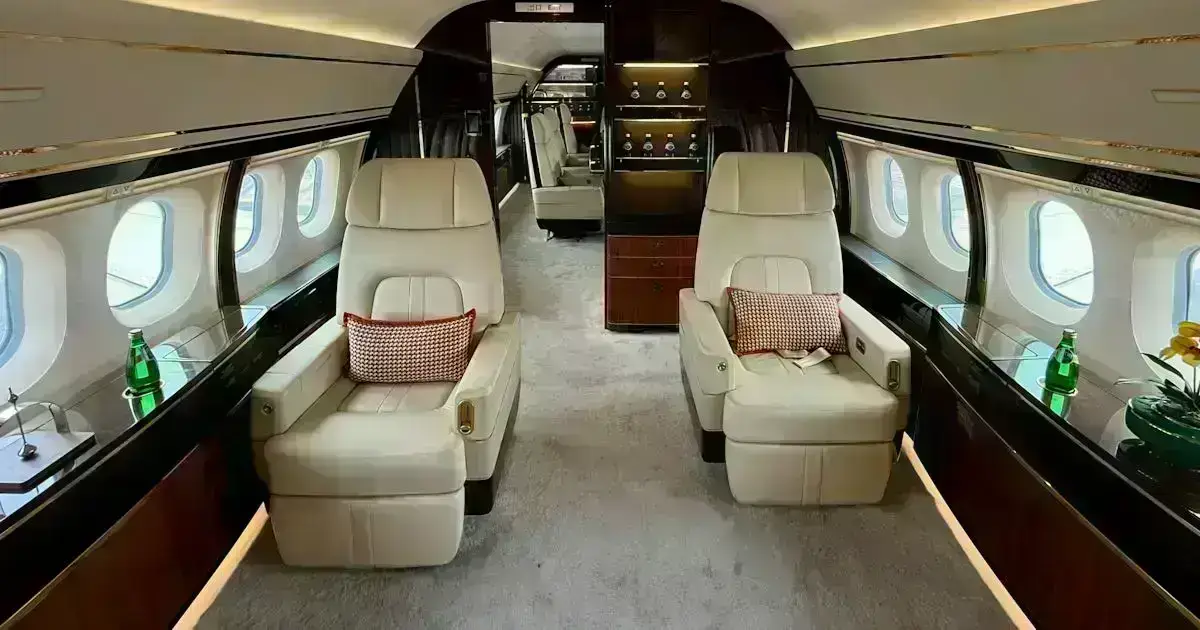
Send the age of every child, proposed restraint or car seat, number of adults, mobility needs, pet details and a complete baggage list. Ask for a cabin plan and photographs of the actual aircraft when layout is important. A divan may be useful for an adult but not an approved child-restraint solution. The operator must confirm how infants and children will be seated for each phase of flight.
Separate must-have requirements from preferences. A must-have might be nonstop capability, a large baggage door or arrival before a contractual deadline. A preferred interior colour is different. This hierarchy lets Private Flights compare available aircraft quickly without sacrificing the elements that make the trip viable.
The brief should also identify the requester, traveller, approver and payer. Where those are different people or entities, resolving authority and compliance early prevents last-minute delay. Use secure channels for passports and other personal information, and keep the distribution list limited.
Operations, Documentation and Recovery Planning
International family travel needs passports, visas, consent documents where applicable and animal paperwork completed early. Food and formula can be arranged, but customs rules affect what may leave the aircraft. Private Flights can coordinate catering, pet approval and private-terminal assistance. Parents remain responsible for child documents and should seek official advice for complex guardianship or consent situations.
A professional plan covers the expected flight and the most likely disruption. Consider weather, crew duty, curfews, customs opening, airport parking and a following aircraft commitment. Agree who can accept an alternate airport or time. Review the charter agreement, cancellation schedule and aircraft-substitution standard before commitment.
On the day, keep the ground team, travellers and Private Flights reachable through a clear contact chain. Do not ask the crew to accept undeclared baggage or passengers at the aircraft. A controlled manifest and accurate load plan protect both schedule and safety. Related reading: flying private with children and pet travel.
Real-World Scenario and Commercial Comparison
A three-generation family flies from London to the Alps with a small dog, two prams and ski equipment. A jet with enough seats but a narrow baggage door would not work. Private Flights compares a super-midsize jet and a larger regional option, confirms the dog with the operator and chooses an airport with reliable winter approaches. The family gives up the closest mountain strip in exchange for baggage certainty and weather resilience.
Airline premium cabins can suit a simple hub route, particularly for a small family travelling light. Charter becomes more useful when the group is large, the destination is regional or pets and equipment complicate connections. The best answer remains route-specific. Private Flights provides transparent quotes designed to compete strongly in the market, subject to aircraft availability.
Private Flights provides transparent quotes designed to compete strongly in the market. The recommendation is based on mission fit, operator confirmation and live availability, not on steering a client towards ownership, a jet card or another fixed programme.
Final planning review
Before confirming best private jet charter for family travel, compare the proposed aircraft with the full door-to-door schedule. Check the specific cabin, baggage fit, departure slot, destination handling, crew plan and likely weather constraints. Confirm which requests are contractual and which remain subject to operational approval. A second suitable airport can protect the itinerary when the closest field has a curfew, short runway or limited customs hours. The traveller should also know who will communicate a change and by what deadline a decision is needed. Record the final passenger list and service brief in one place, then verify any late amendment with Private Flights before leaving for the terminal. This disciplined review preserves the flexibility that makes charter valuable while respecting the operator's responsibility for safety and compliance.
Governance for families
A repeatable charter process should record why charter was selected, who approved the mission and which alternatives were considered. After travel, note any change in airport, aircraft, baggage or service so the next brief becomes more accurate. This does not mean forcing every journey into one preferred model. It means giving families a consistent standard while preserving mission-by-mission choice. Periodic review can also identify routes where a scheduled service remains sensible and routes where regional access or group timing repeatedly supports charter over time. Keep that review factual, including delays and aircraft substitutions as well as time saved or useful regional access. The result is practical governance for everyone rather than status-driven travel.
Frequently Asked Questions
Which private jet is best for a family?
The best fit depends on group size, route, baggage, child seating, pets and airport performance. No one model suits every family.
Can babies fly on private jets?
Yes, subject to operator procedures and applicable restraint requirements. Provide the infant's details and planned seat before booking.
Can a family bring a pet in the cabin?
Often with operator approval and complete health, import and airport documentation. Rules vary by country.
Can family catering be customised?
Yes within aircraft, operator, allergy and customs limits. Request child-friendly meals and timings in advance.
Conclusion and Sources
For families, the best charter process combines a complete brief, disciplined approvals and realistic recovery choices. Private Flights can compare suitable aircraft and coordinate the journey without tying the traveller to one fleet. To plan the next movement, book your private flight now.
All charter arrangements are subject to aircraft and crew availability, operator approval, airport permissions, weather and operational constraints. Passengers remain responsible for passports, visas, declarations and other required documentation. Aircraft specifications and performance are confirmed by the operator for the live mission.
Sources consulted:
Image Attribution:
Photo by Rochelle Lee via Unsplash, used under the Unsplash Licence.